Case study 02
Evy Leibfarth
& Sofia Reinoso
Paris, France — May 2024, weeks before the Olympic Games
The situation
Evy Leibfarth had agreed to a shoot three months earlier. She was one of the most watched paddlers going into Paris 2024 and had already crossed over well beyond the sport.
A week out, the shoot became two people: Sofia Reinoso, competing for Mexico, would be there too. I had never met either of them.
Three sessions across two days, in a city neither of them lives in, weeks before the most important race of their careers. Their training schedule set the hours.
Montmartre
Conditions
No studio, no stylist. The wardrobe I had specified did not arrive — plain denim, a simple top, no patterns, a defined palette, the kind of clothing that disappears and leaves the person. What came back from the shop was almost none of that. Neither athlete had been photographed this way before: their existing images were competition images, helmet, spraydeck, mid-rapid. And the windows were short. The set that ended up mattering most was made in about thirty minutes, split between two people, at sunrise.

Montmartre

Paris
My role
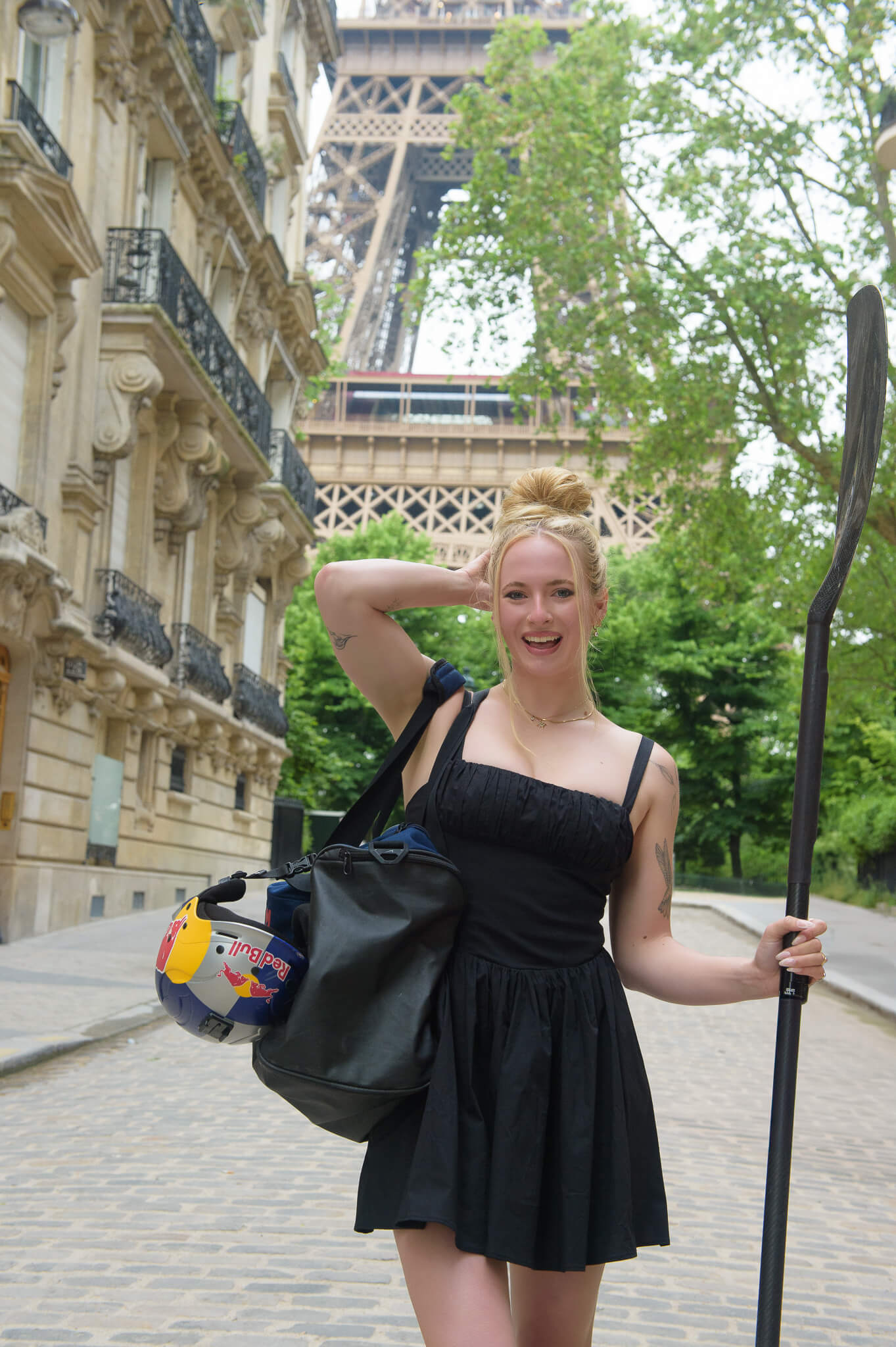
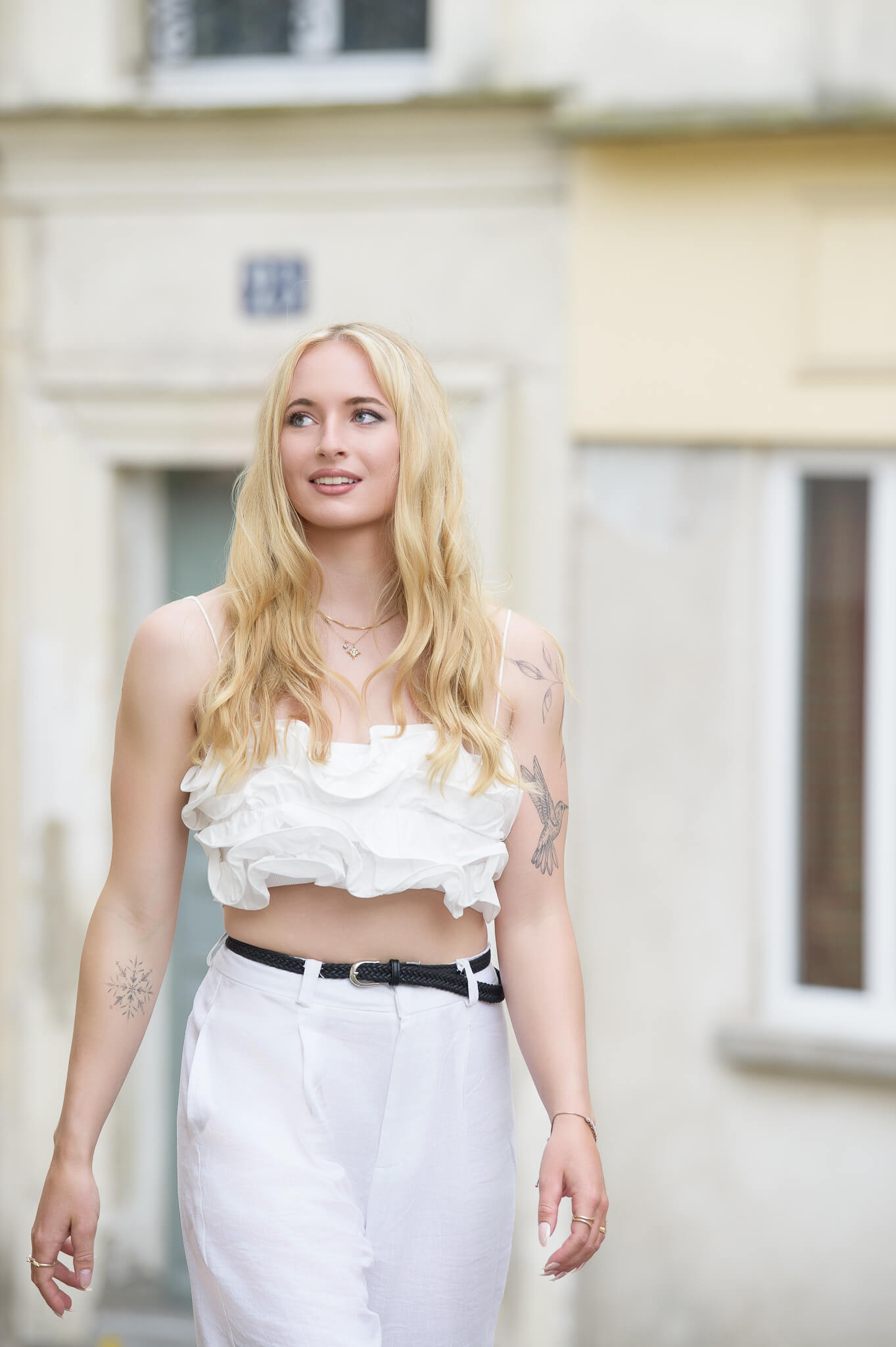
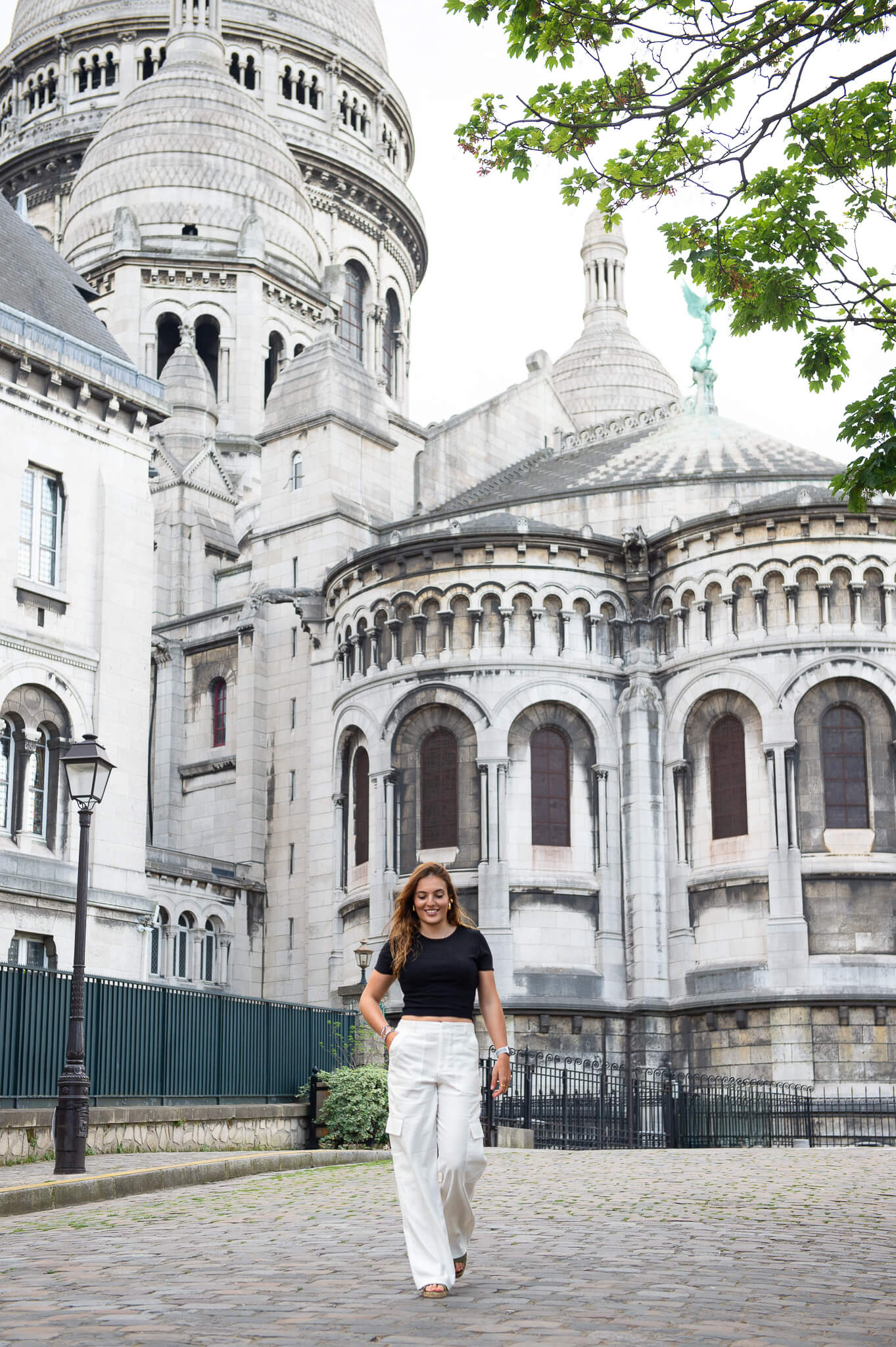
The whole shoot was built on one decision: photograph them as women, not as athletes.
Every image of them in circulation showed force — the sport is brutal and the photography follows it. I went the other way. Soft morning light, no flash, an editorial register, and the city doing the work in the background. The contrast between a gentle image and a violent discipline is the entire idea, and it is why the pictures do not look like anything else in their feeds.
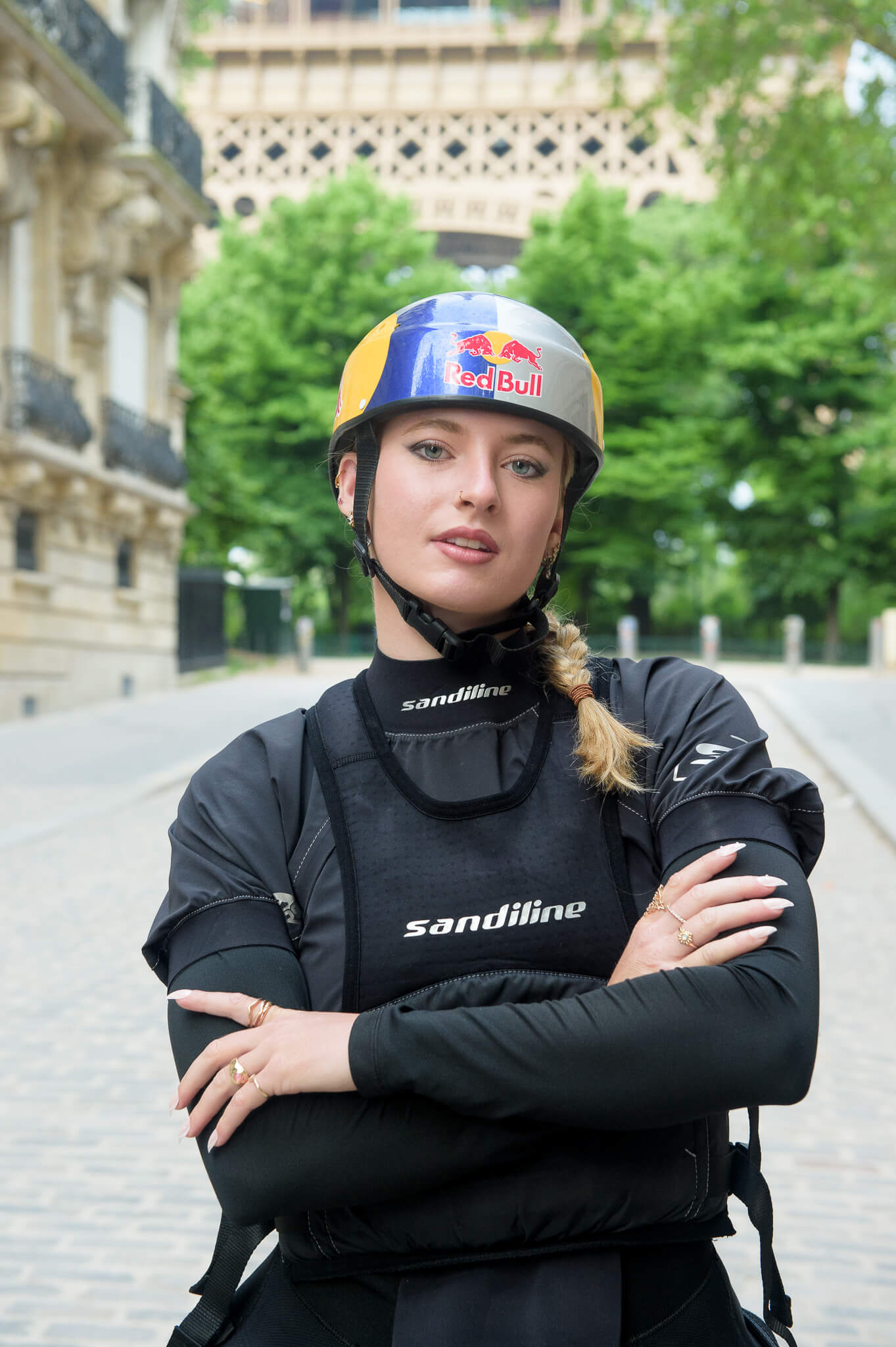
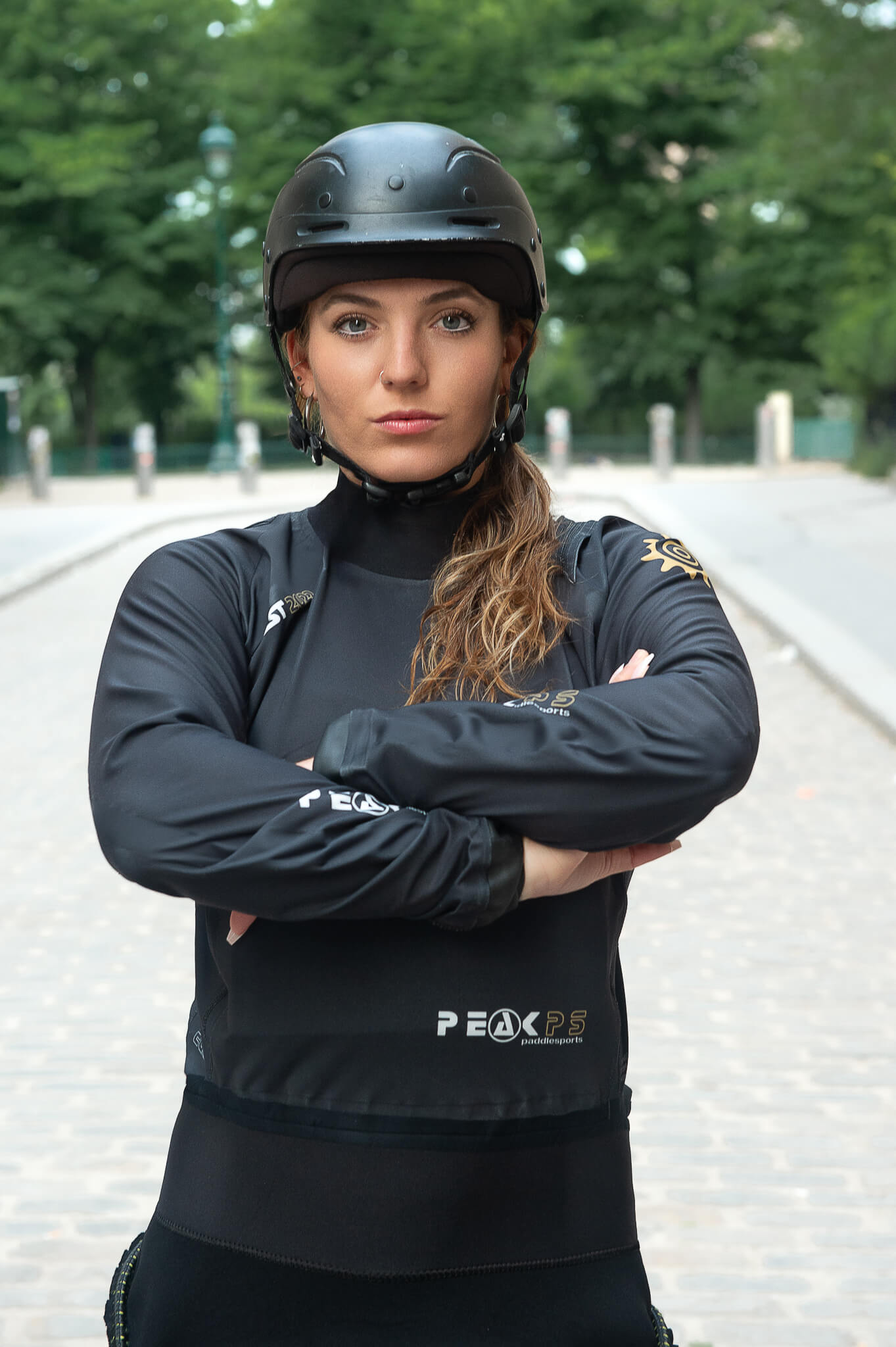
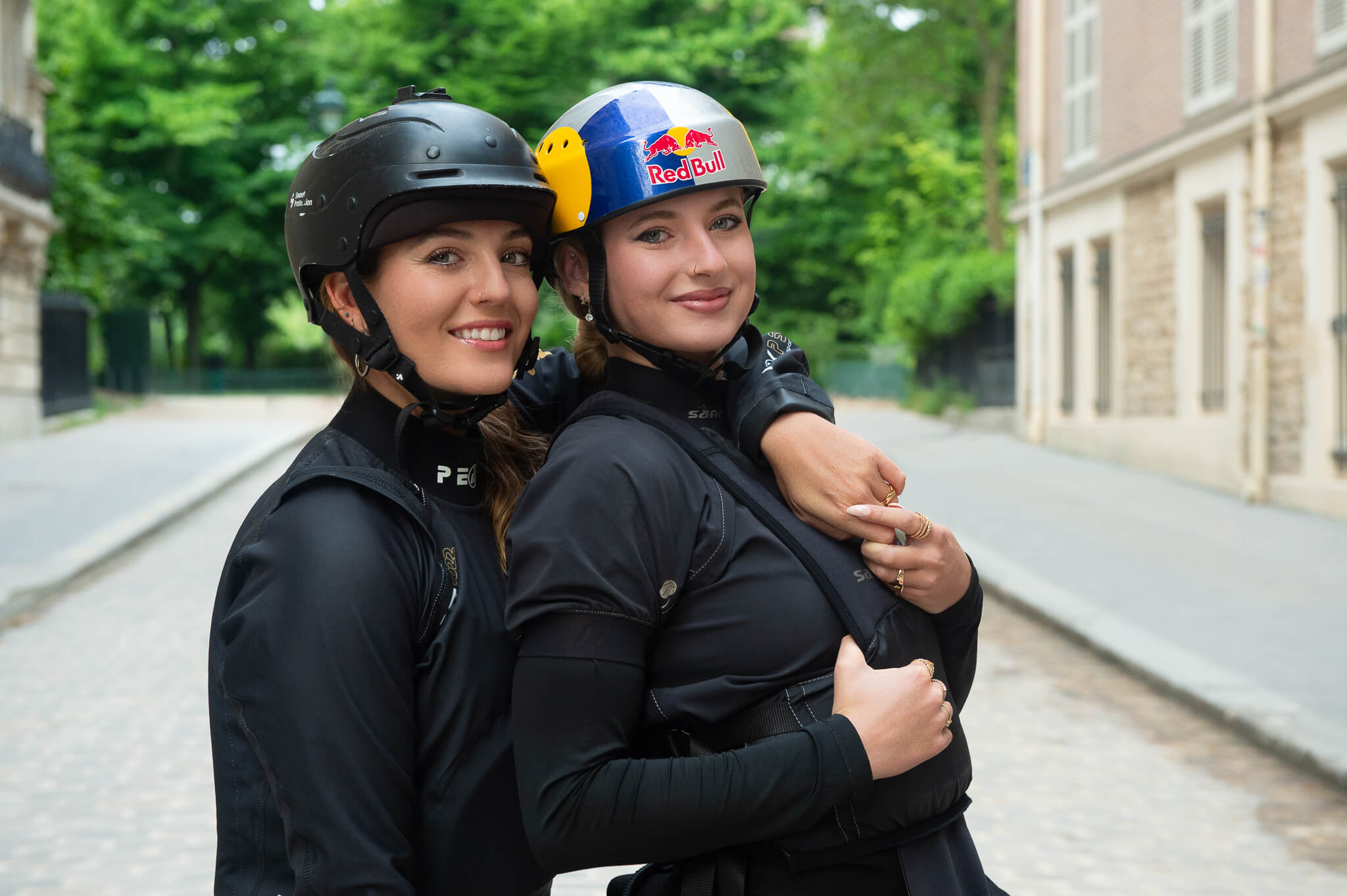
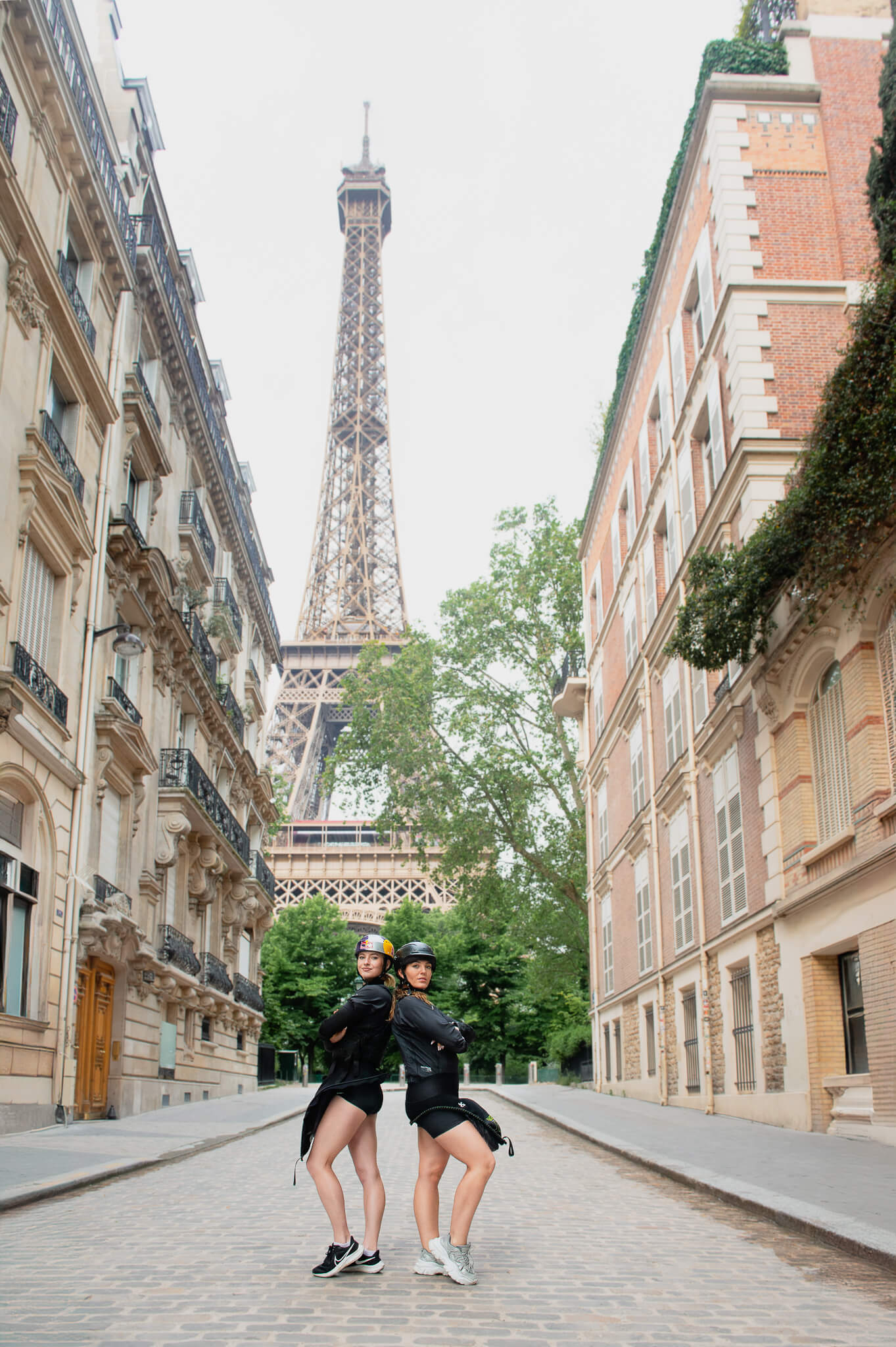
The Eiffel Tower frames were planned, not found. Over dinner after the first session I proposed a second shoot the next morning, in full kayak gear, in a street I knew with the tower closing the perspective. The reasoning was straightforward: these two were about to compete at the Paris Games, and an image that says Paris in one glance would travel further than any of us could push it. It would also be the last window — the closer the Games came, the less time either of them would have.
That meant a 5:30 call. Pale light, empty street, no crowds. Evy’s set took about fifteen minutes. Sofia’s took about the same. Then the tourists arrived and it was over.
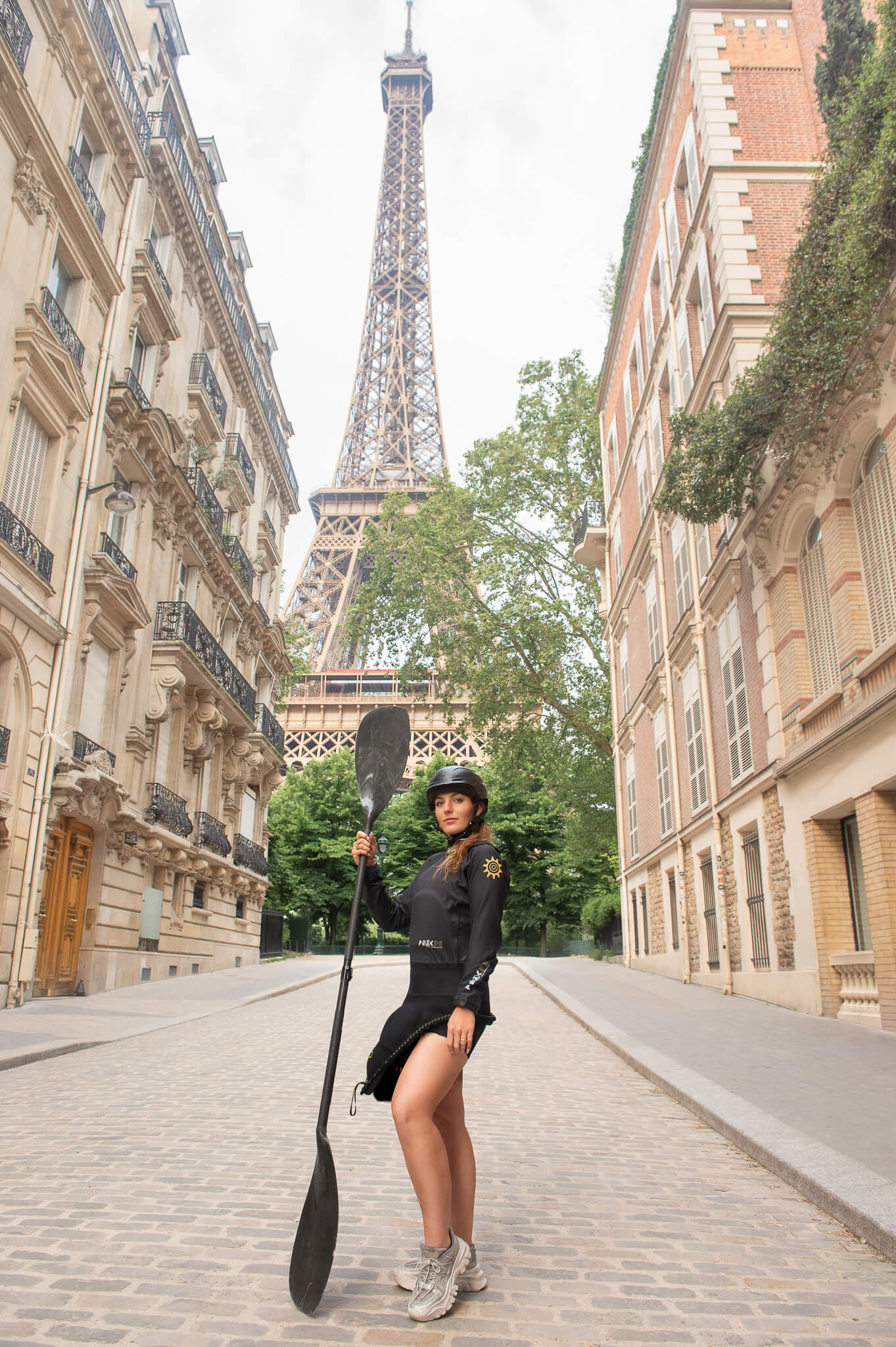
Paris — sunrise
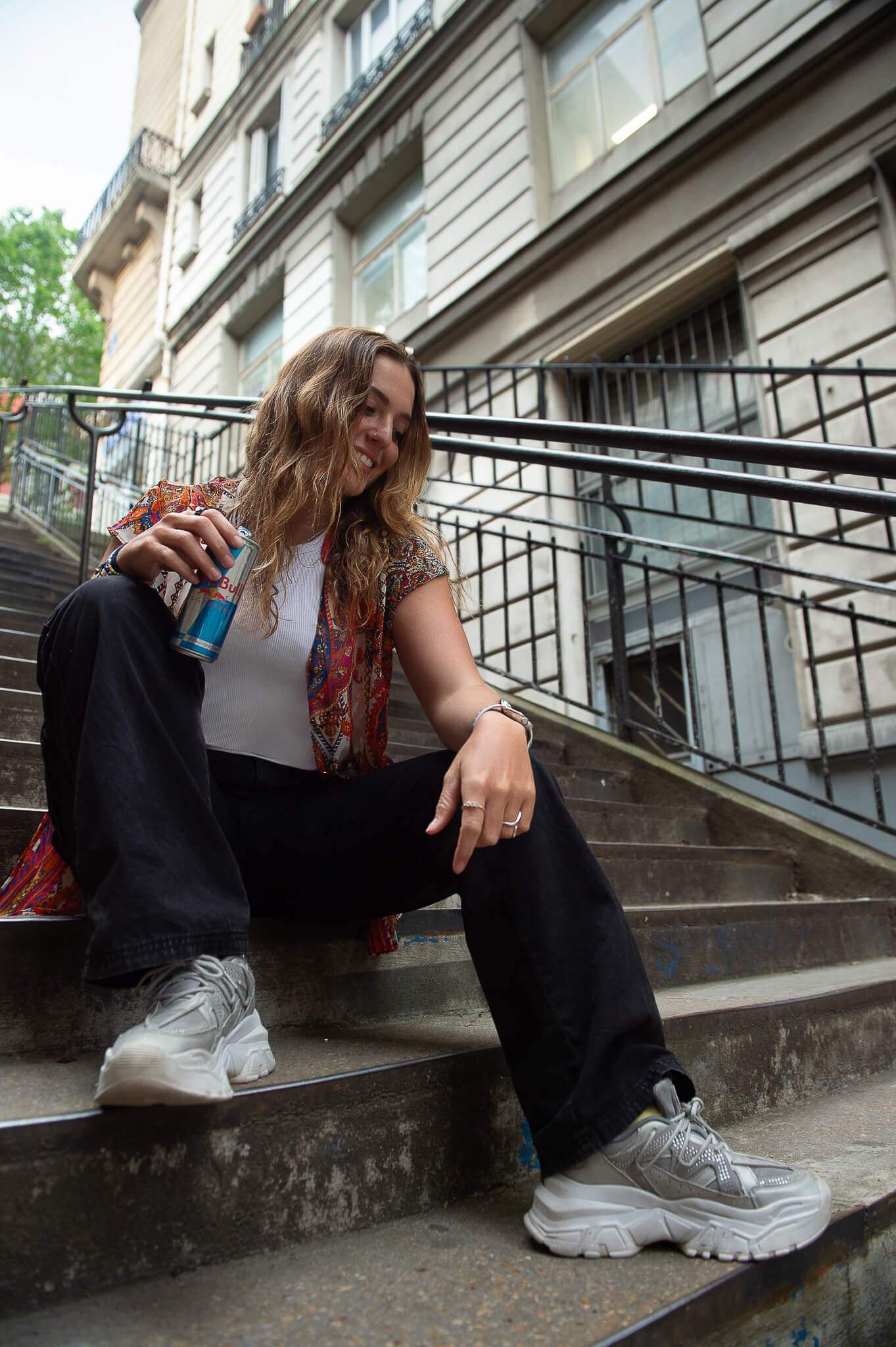
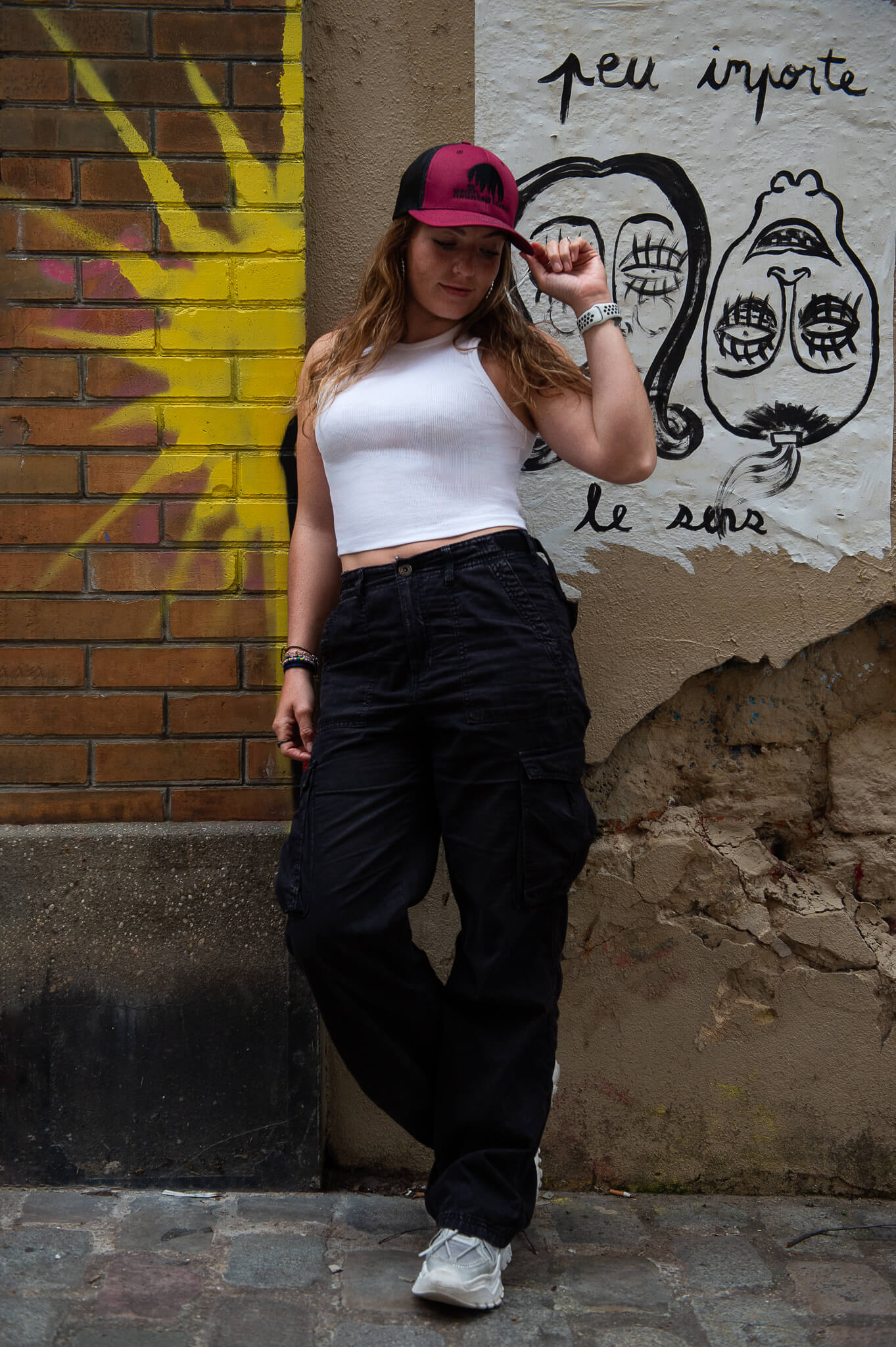
The third session produced the strongest frames of the three days, and none of it was what I had specified. Sofia arrived in a baggy cut, a streetwear jacket and a cap. So I stopped trying to make it Parisian and went looking for the Paris that would agree with it: a tagged door and a yellow-painted brick wall, a few metres down the same street. Shot against those, the clothes stop being a problem and become the subject.
It is not a register I work in. It is hers. Those frames exist because I abandoned my own reference rather than fight what turned up.

Paris — street

Paris — street
What was produced
Three sessions across three days: lifestyle in Montmartre on the first evening; the kayak-gear set at sunrise the following morning; and a street session another afternoon.
Individual sets for both athletes plus a duo set. First images delivered within three days; the rest over the following week.
What happened next
The set travelled in two directions at once.
Inside the sport, it was picked up by the brands around it: Teva and Sandiline used the images, and Red Bull licensed a portrait for The Red Bulletin.
Outside it, the images reached readers with no connection to paddling. They ran in Têtu and El Diario, made the front page of Grada, went out on television around the Games and were used in end-of-season awards coverage.
None of that was placed by me. The set travelled because the athletes and the people around them chose to use it — which is the only test of an image that matters once the files have been delivered.

Paris — sunrise

Paris — sunrise
Two years later, Sofia still uses one of the Paris images as her profile picture.

Paris — sunrise
Photo: Cédric Eyma